
2026 Civic Action Hub — Recruiting Development Teams & Creative Talent for Tech for Disaster Resilience
Recent Announcements & Events
Final Selection Results: Selected & Alternate Teams for the Four Challenges
Congratulations to the selected teams! Co-development with the challenge agencies starts in September, and all deliverables will be released under the Public Code standard.
View the results & timeline →A decade of civic-tech energy, now at work in pilot fields nationwide
Taiwan's civic-tech community has flourished since 2012, championing open-source software and contributions to the public domain, and building a deep foundation for open collaboration. Building on that momentum, the Ministry of Digital Affairs (MODA) pairs civic-tech teams with government agencies to solve public problems through public–private partnership — an initiative known as the Civic Tech Pilot Field.
In 2025, the pilot field reached the international stage, sharing its results at global events and laying the groundwork for university partnerships. Now in its third edition, the program is built around the "Civic Action Hub," with "Light up public innovation through action" as its 2026 theme, and widens participation beyond city and county governments to public agencies at every level.
This year centers on Tech for Disaster Resilience, with four local challenges from the Nantou County Government, the Keelung City Government, the Miaoli County Government and the New Taipei City Government. Drawing together frontline disaster-prevention needs, data-sharing and digital technology, teams build service prototypes for disaster reporting, early warning, relief logistics and emergency management — strengthening local governments' resilience and the quality of public services. All results are open-sourced under the Standard for Public Code, so open code and digital talent keep circulating and growing.
This year centers on Tech for Disaster Resilience, with four real challenges set by local governments.
Participation now reaches beyond city and county governments to public agencies at every level, welcoming a wider range of participants.
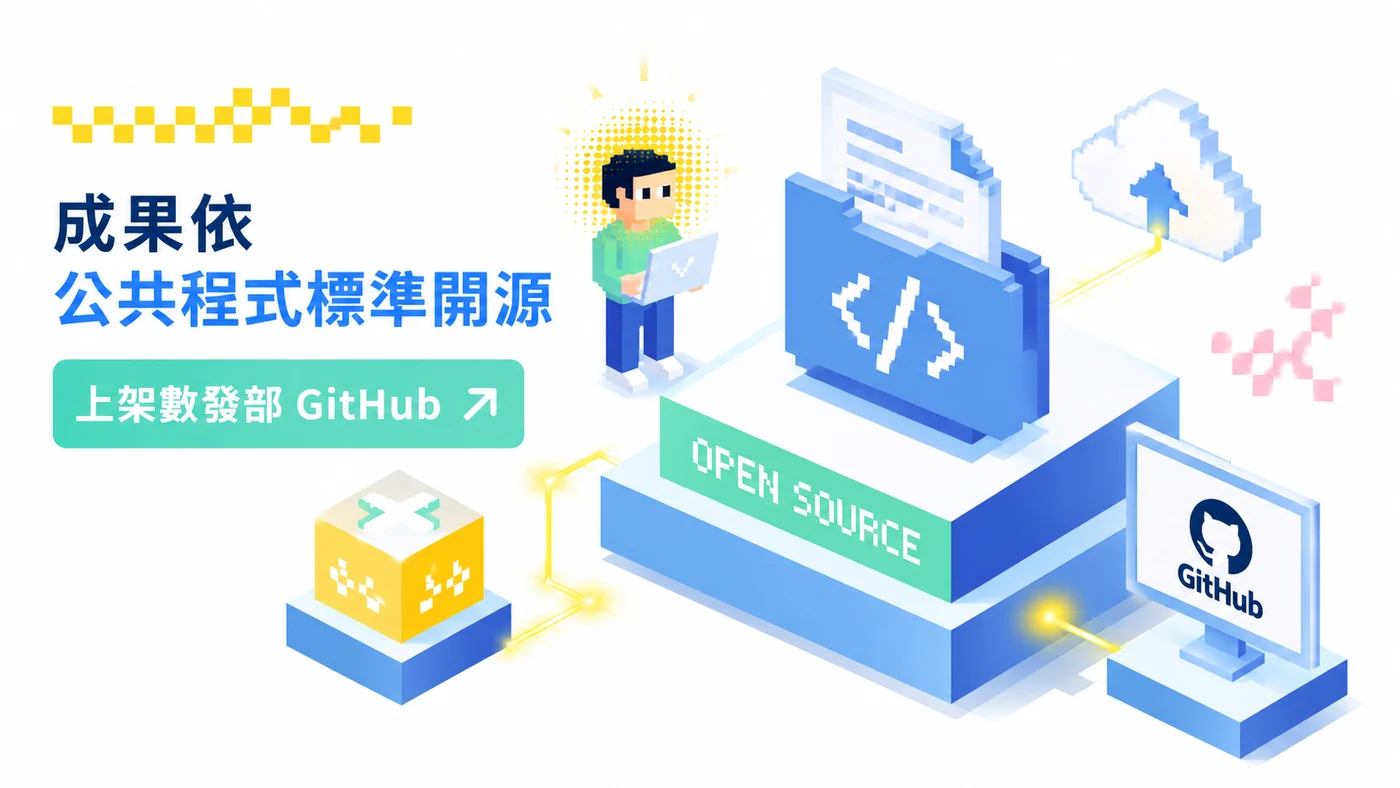
Results are open-sourced under the Standard for Public Code and published on MODA's GitHub for anyone to reuse.
Civic collaboration, responding to every local public issue
The civic-tech program connects government, academia and community teams, building cross-sector collaboration that brings digital innovation into real-world settings — proving what works, step by step, and scaling its social impact.

Background
Responding to digital-governance trends and institutionalizing civic participation.

Goals
Building a replicable model for civic-tech collaboration and real-world validation.
Strategy
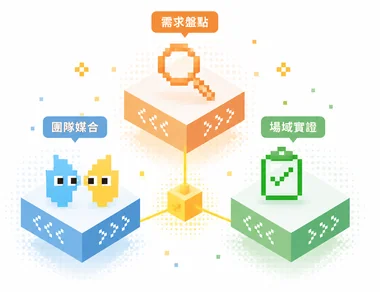
Three parallel tracks: needs mapping, team matching and field validation.
Who We Serve
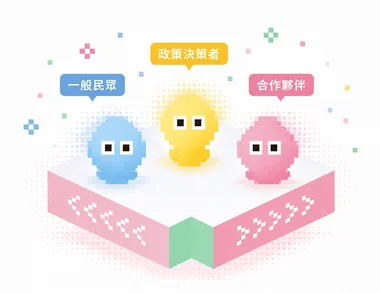
The public, policymakers and collaborating partners.
Tech for Disaster Resilience · Four Local Challenges
2026 focuses on Tech for Disaster Resilience. Four local governments have set real-world challenges and are looking for development teams to build digital service prototypes for disaster reporting, early warning, relief logistics and emergency management.

An open, public-facing disaster-reporting and visualization platform where residents, village heads, certified disaster-prevention specialists, volunteers and community groups can all report. When two or more people report the same location, the county dispatches staff, and on-site details and follow-up progress are made public.

Bring registration, review and notification for disaster-prevention specialist training fully online, linking trainee records for easier consolidation and offering certificate collection and re-issue tracking to ease administrative workload.
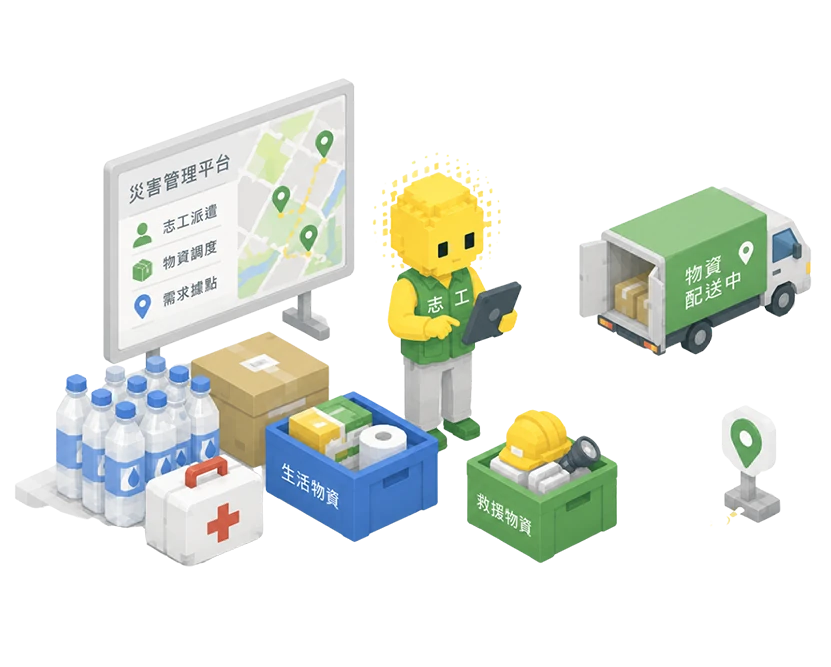
Covers volunteer management (accounting for volunteers' training or certification credentials and on-site safety check-ins) and supply management (real-time notices on distribution and pickup points for perishable hot meals and donated goods), plus disaster-data displays to help anticipate local hazard-alert levels.

A nationwide real-time reporting system for shelters and facilities serving vulnerable groups, where hospitals and nursing homes proactively report their safety status, so the city only needs to follow up with those who haven't reported — with a fallback for communication outages.
The annual journey, from application to completion
*All dates follow the organizer's official announcements and may be updated to reflect the actual schedule.
Join the 2026 Civic Action Hub
- Each team = 1 digital-transformation mentor (assigned by the executing organization) + at least 1 creative talent member
- Creative talent: no limit on age, status or nationality; applicants under 18 need written consent from a legal guardian
- Members must hold valid proof of residency in Taiwan
- Apply as a full team, or as an individual.
- Each participant may join one team only
- 4 teams selected + 4 on the waiting list
- Gift vouchers worth NT$300,000 per team
- Open now – Wed 19 Aug, 12:00 | Online application period
- Thu 20 Aug | Document review results announced (by 17:00)
- Tue 25 Aug | Final Team Selection & Local Government Partnership Ceremony: pitches, final results and partnership kick-off
- Early September | Matchmaking meetings begin
Apply online
Complete the form and upload a proposal or slide deck (apply as a team or individual).
Eligibility & document review
The executing organization reviews required materials and scores each proposal on suitability and feasibility.
Final Team Selection & Local Government Partnership Ceremony
Document review results announced on 20 Aug; teams then present at the Final Team Selection & Local Government Partnership Ceremony on 25 Aug, with winners announced and partnerships kicked off the same day.
Phased development & delivery
Deliver the plan, code and completion report per the review schedule, with vouchers issued in three phases.
*Proposals must be developed under the Standard for Public Code, with results published on MODA's GitHub. Members must hold valid proof of residency in Taiwan; applicants under 18 need written consent from a legal guardian. Full eligibility and submission rules follow the executing organization's official announcement.
Real support for every team
Each of the four selected teams receives gift vouchers worth NT$300,000, plus hands-on mentoring, introductions to local field partners and a platform to showcase their results.
NT$300K in gift vouchers per team
Digital-transformation mentor
Real local field needs
Open-sourced as public code
Showcase & exchange
The civic-tech journey so far
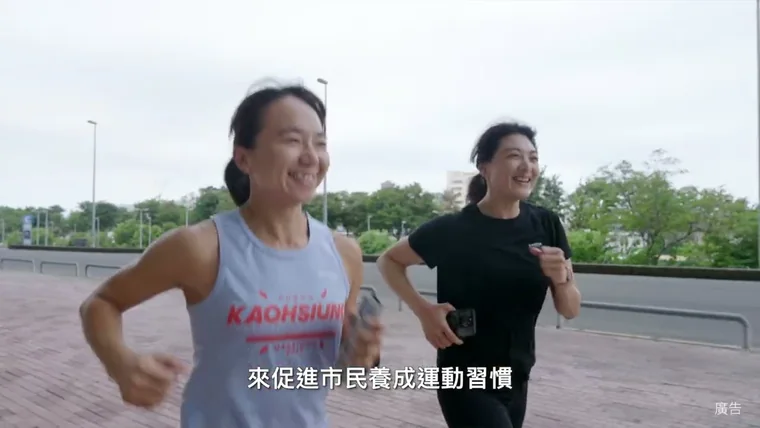 2025▶
2025▶Kaohsiung
 2025▶
2025▶Taitung
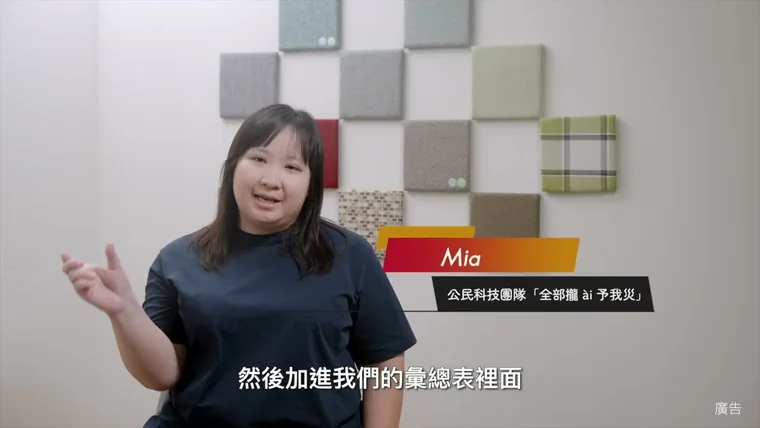 2025▶
2025▶Tainan
 2025▶
2025▶Taoyuan
 2024▶
2024▶Taoyuan
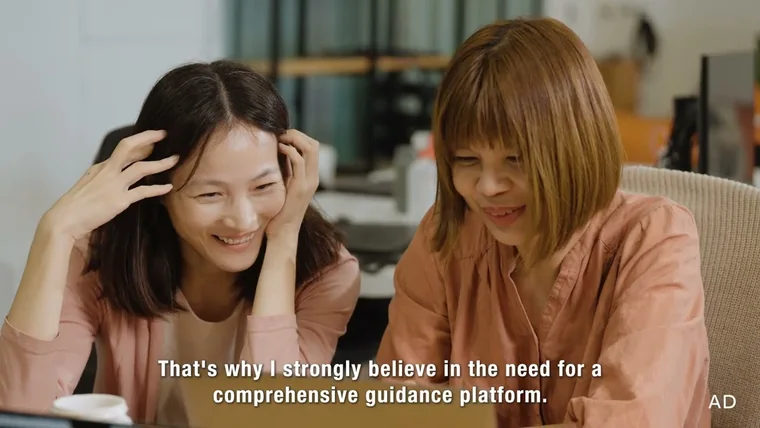 2024▶
2024▶Taoyuan
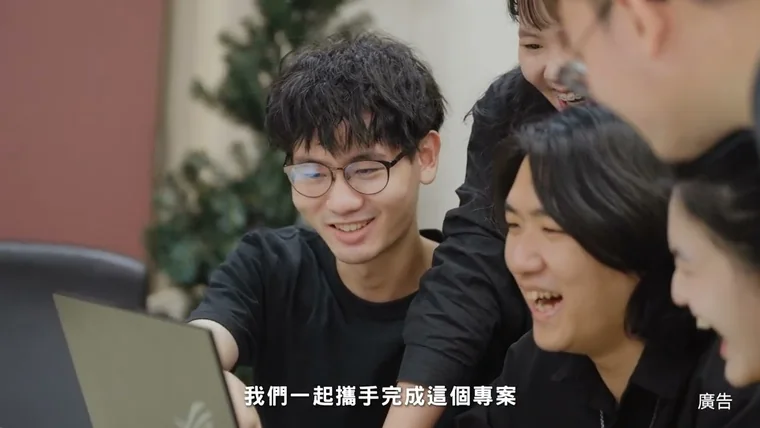 2024▶
2024▶Taitung
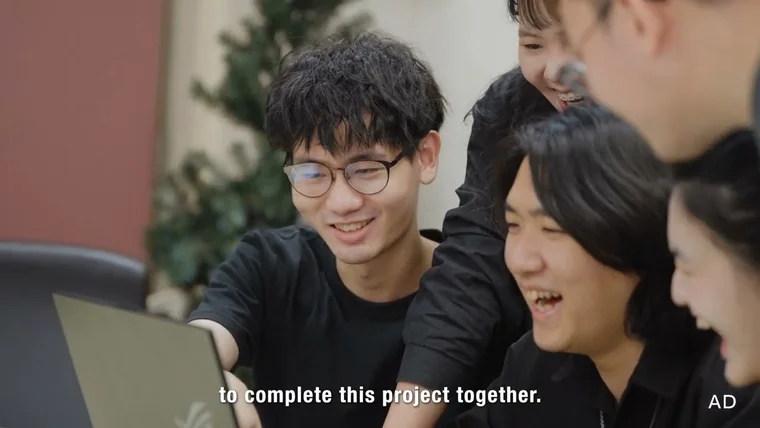 2024▶
2024▶Taitung
 2023▶
2023▶Taichung
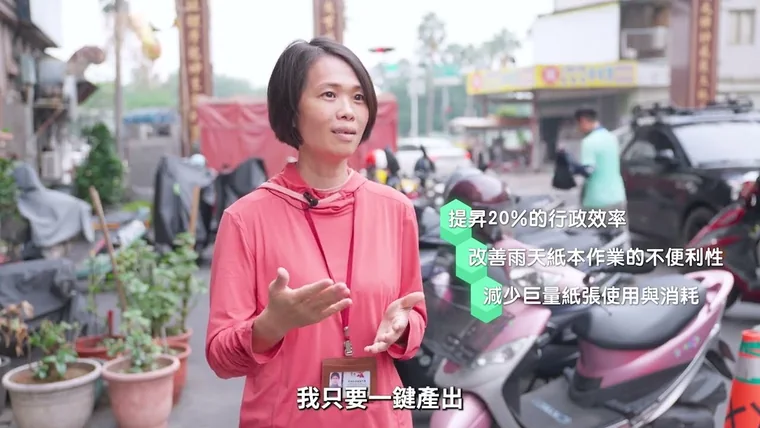 2023▶
2023▶Tainan
in civic tech's next chapter!
2026 recruitment at a glance

Development Team
One digital-transformation mentor plus at least one creative talent member, proposing and building solutions for the four disaster-prevention challenges.

Creative Talent
Digital talent of any age, status or nationality — apply as a team or individually.
Inquiries
For any questions about the guidelines, application or challenge matching, contact the executing organization on weekdays, 09:00–18:00.